
The Cultural Architecture of Luxury Shopping Bags
In the modern landscape of high fashion, a luxury shopping bag is far more than a practical vessel designed to transport personal belongings from a store counter to one’s residence. It represents an emblem of personal style, financial independence, heritage appreciation, and functional elegance. Over the past century, luxury tote bags and designer carryalls have evolved from utilitarian leather trunks meant for transatlantic railway travel into cultural artifacts that dictate global fashion trends, serve as investment assets, and signal subtle wealth.
Luxury shopping bags are not just accessories but a symbol of status and style.
When choosing luxury shopping bags, it’s essential to consider the craftsmanship and brand heritage.
Many luxury shopping bags are exclusive to certain regions, making them highly sought after.
Understanding the market for luxury shopping bags can significantly impact your purchasing decisions.
Each type of luxury shopping bag serves its unique purpose while enhancing personal style.
There are various options available in luxury shopping bags, catering to different needs and preferences.
The luxury fashion market has experienced a monumental transformation. Consumers today do not simply look for aesthetic beauty; they seek craftsmanship, brand history, narrative provenance, and functional versatility. Whether navigating the bustling avenues of Manhattan, the historic arcades of Paris, or the ultramodern commercial complexes of Tokyo, luxury shopping bags act as a personal statement. Among the vast ecosystem of luxury items, tote bags hold a uniquely celebrated position due to their seamless fusion of high capacity, ergonomic utility, and high-fashion branding.
However, as global demand for iconic luxury bags skyrockets, prospective buyers frequently encounter significant geographic, infrastructural, and administrative barriers. Certain flagship creations are strictly geo-restricted, released only in specific Parisian boutiques, or restricted behind rigorous boutique relationships and waitlists. This comprehensive report explores the world’s best luxury shopping bags, the dominant fashion houses defining the sector, the intricacies of authorized retail networks, the legendary exclusivity of Hermès, and the operational solutions available to international buyers wishing to acquire coveted bags across borders.
Luxury shopping bags are designed to be both functional and fashionable.
2. Taxonomy of Best Shopping & Tote Bags: From Daily Carry to Holy Grails
To understand the global appetite for luxury bags, one must analyze the specific silhouettes that have captured the market’s imagination. The ideal shopping bag must harmonize structural integrity, visual balance, strap comfort, interior accessibility, and material resilience.
Investing in quality luxury shopping bags ensures longevity and style.
Many fashion icons are known for their collection of luxury shopping bags.
The Everyday Workhorse Totes
The evolution of luxury shopping bags reflects changing trends in fashion.
Luxury shopping bags often feature unique designs that set them apart.
Choosing the right luxury shopping bags can elevate any outfit.
Luxury shopping bags are a favorite among collectors and fashion enthusiasts alike.
The everyday tote is designed for high-frequency use, offering room for laptops, personal tech, beauty essentials, and documents without sacrificing elegance:
Many brands have unique approaches to designing their luxury shopping bags.
Luxury shopping bags often come with stories and heritage that add to their appeal.
As a luxury shopper, understanding the significance of these bags is crucial.
Luxury shopping bags are often considered a worthwhile investment.
- Louis Vuitton Neverfull (MM/GM): Introduced in 2007, the Neverfull quickly became one of the best-selling luxury bags in modern history. Constructed from lightweight, highly durable coated canvas (Monogram, Damier Ebene, or Damier Azur) and trimmed with natural cowhide leather (Vachetta), it can support up to 200 pounds of weight despite its light frame. Side laces allow for structural cinching, transitioning it from a wide shopping tote to a sleek city bag.
- Goyard Saint Louis Tote: Celebrated for its understated discretion and lack of overt hardware, the Goyard Saint Louis is crafted from Goyardine canvas—a proprietary blend of linen, hemp, and cotton coated for water resistance. Featuring hand-painted chevron patterns and detachable companion pouches, this tote remains an elite favorite for international travelers and daily commuters alike.
- Longchamp Le Pliage Heritage & Leather Series: While the nylon Le Pliage is a global classic, Longchamp’s premium leather iterations represent an accessible pinnacle of French leather craftsmanship, combining foldability with refined structure.
The craftsmanship in luxury shopping bags sets them apart from regular bags.
Many people appreciate the artistry behind luxury shopping bags.
Luxury shopping bags often reflect the latest fashion trends.
Brands continuously innovate their luxury shopping bags to stay relevant in the market.
Understanding the fashion market can help in choosing the best luxury shopping bags.
Luxury shopping bags are a reflection of personal taste and sophistication.
The market for luxury shopping bags continues to grow and evolve.
Luxury shopping bags are not just about looks; they encapsulate a lifestyle.
The Structured Architectural Shopping Totes
For collectors who prefer geometric precision, rigid structures, and pronounced editorial aesthetics, structured shopping bags offer a striking profile:
- Christian Dior Book Tote: Unveiled by Creative Director Maria Grazia Chiuri for the Spring/Summer 2018 collection, the Dior Book Tote redefined textile luxury. Utilizing over one million continuous embroidery stitches per bag, this rigid canvas tote captures complex motifs—from the classic Dior Oblique pattern to intricate Toile de Jouy landscapes.
- Gucci Tote & Shopper Collections: Combining iconic canvas weaves with heritage elements, Gucci’s structured shoppers feature signatures like the GG Supreme motif, horsebit hardware, and burnished bamboo handles—a heritage innovation introduced during post-war material shortages in 1947.
- Saint Laurent (YSL) Icare Maxi Shopping Bag: A dramatic entry into modern oversized fashion, the Icare tote in quilted lambskin features an oversized sculpted YSL gold medallion, bridging the gap between functional tote and statement evening luggage.
Key Bag Comparison
| Bag Model | Primary Material | Key Signature Feature | Primary Utility Profile |
| Louis Vuitton Neverfull | Coated Canvas / Leather | Cinchable side laces & Vachetta trim | Daily commute, travel, shopping |
| Hermès Birkin / Kelly | Togo, Clemence, Epsom Leather | Saddle stitching, Touret lock system | Investment, luxury travel, heritage collection |
| Christian Dior Book Tote | High-density Embroidered Canvas | 3D relief embroidery & structural rigidity | Resort travel, statement shopping |
| Goyard Saint Louis | Goyardine Canvas | Chevron pattern & featherweight design | Beach, urban errands, flight carry-on |
| Chanel Deauville Tote | Mixed Canvas / Tweed & Calfskin | Interwoven chain-leather straps & bold logo | Luxury leisure, weekend travel |
| Prada Galleria Tote | Saffiano Leather | Heat-embossed cross-hatch leather weave | Corporate elegance, structured carrying |
3. Definitive Analysis of Top Luxury Brands & Official Retail Outlets
Louis Vuitton (Maison Delvaux & LVMH Flagship Ecosystem)
Founded in 1854 as a master trunk-maker in Paris, Louis Vuitton remains the indisputable titan of luxury leather goods. Operating exclusively through its official boutique network and its proprietary website (louisvuitton.com), Louis Vuitton intentionally avoids third-party multi-brand retailers or department store e-commerce channels. Flagship boutiques—such as 101 Avenue des Champs-Élysées in Paris or Fifth Avenue in New York—serve as global destinations, offering custom monogramming, bespoke trunk orders, and full-line leather access.
Gucci (Kering Group)
Established in Florence in 1921 by Guccio Gucci, the brand built its reputation on exquisite Italian leatherwork inspired by equestrian culture. Gucci operates official e-commerce across North America, Europe, Asia, and the Middle East via gucci.com. In addition to brand-owned boutiques, Gucci maintains authorized retail partnerships with premier luxury department stores including Saks Fifth Avenue, Neiman Marcus, Harrods, Selfridges, and curated multi-brand online platforms like NET-A-PORTER and Mytheresa.
Chanel
Chanel maintains one of the most unique and strict digital retail strategies in modern fashion. Unlike its peers, Chanel does not sell its core line of leather goods, classic flap bags, or seasonal totes on its website (chanel.com). The official online portal serves exclusively as an editorial display showcase, dynamic product catalog, and store locator, along with retail channels for eyewear, fragrance, and beauty. To acquire a Chanel tote or classic handbag new from the brand, buyers must physically visit an official Chanel boutique or designated shop-in-shop inside elite department stores.
Prada & Miu Miu
Prada, founded in Milan in 1913, modernized functional luxury in 1984 by introducing industrial-grade Pocono nylon into high-fashion accessories, alongside its signature scratch-resistant Saffiano leather. Operating globally through prada.com and miumiu.com, the Prada Group seamlessly integrates digital boutique shopping with physical flagships across major luxury capitals.
Goyard
Goyard represents the ultimate study in digital reticence and intentional scarcity. House of Goyard explicitly rejects e-commerce for its physical goods. Its official website (goyard.com) exists solely as a digital gallery, brand archive, and catalog display. Goyard bags are sold strictly through a small network of fewer than 40 standalone physical counters and flagships globally, making them an elusive target for international luxury consumers.
4. The Hermès Phenomenon: Birkin, Kelly, and the Mystique of Exclusivity
No discussion of luxury bags is complete without examining Hermès. Established in 1837 by Thierry Hermès as a harness workshop in Paris, Hermès represents the absolute zenith of artisanal leather craftsmanship. Unlike mass-manufactured luxury items, every Hermès Birkin, Kelly, or Constance bag is handcrafted by a single artisan from start to finish in specialized French ateliers, requiring anywhere from 18 to 24 hours of meticulous hand labor using traditional two-needle saddle stitching (point sellier).
Understanding the “Quota System” and SA Dynamics
Walking into a flagship Hermès boutique on Rue du Faubourg Saint-Honoré in Paris with cash or a credit card is rarely enough to purchase a quota bag (Birkin or Kelly). Hermès maintains a non-traditional sales structure designed to prevent rapid commercialization and maintain strict production limits. To be offered a quota bag directly from an official boutique, a client must generally establish a prolonged transactional relationship with a specific Sales Associate (SA). This process typically involves:
- Profile Building: Demonstrating genuine affinity for the brand’s diverse product universe, including silk scarves, ready-to-wear apparel, fine jewelry, footwear, and homeware.
- Boutique Appointment Systems: In cities like Paris, securing a leather appointment requires registering for a competitive online lottery system (the Paris Leather Appointment portal), where slots are granted randomly based on availability.
- Wishlist & Allocation: SAs submit client wishlists to boutique directors, who determine allocation based on available stock, client history, and brand synergy.
For an international shopper living in a country without an official Hermès boutique, or in a market where local inventory is scarce, acquiring a quota bag directly from the house can feel almost impossible.
5. The Cross-Border Challenge for International Buyers
The luxury retail market remains deeply fragmented across geographical borders. An international buyer frequently faces severe structural obstacles when attempting to purchase luxury bags outside their resident region:
Geographic & Regional Retail Disparities
- Limited Flagship Footprint: Luxury houses prioritize major financial capitals (Paris, London, New York, Tokyo, Shanghai, Milan). Consumers residing in South America, Eastern Europe, Africa, Central Asia, and parts of the Middle East or Southeast Asia often lack local brand boutiques.
- Inventory Allocation Imbalances: Flagship European stores routinely receive exclusive colorways, limited-edition runway totes, exotic leather variations, and runway pieces months before—or completely instead of—smaller regional branches.
- Regional Pricing Discrepancies: European luxury brands price their goods in Euros. Due to import tariffs, localized VAT, international shipping overhead, and regional margins, the exact same luxury tote bag can cost 20% to 40% more when purchased in North America, East Asia, or the Middle East compared to its retail price in Paris or Milan.
Digital E-Commerce Walls
- Strict Geofencing & IP Blocking: European or US luxury e-commerce sites often restrict international IP addresses, redirecting users to local landing pages with restricted stock.
- Local Credit Card Restrictions: Many brand websites reject foreign-issued credit cards, billing addresses located outside the country of purchase, or third-party payment gateways.
- Prohibition of Freight Forwarders: Major brands automatically cross-reference delivery addresses against known commercial freight forwarding warehouses and cancel orders instantly.
6. Introducing DeliveringParcel: The Global Luxury Shopping Solution
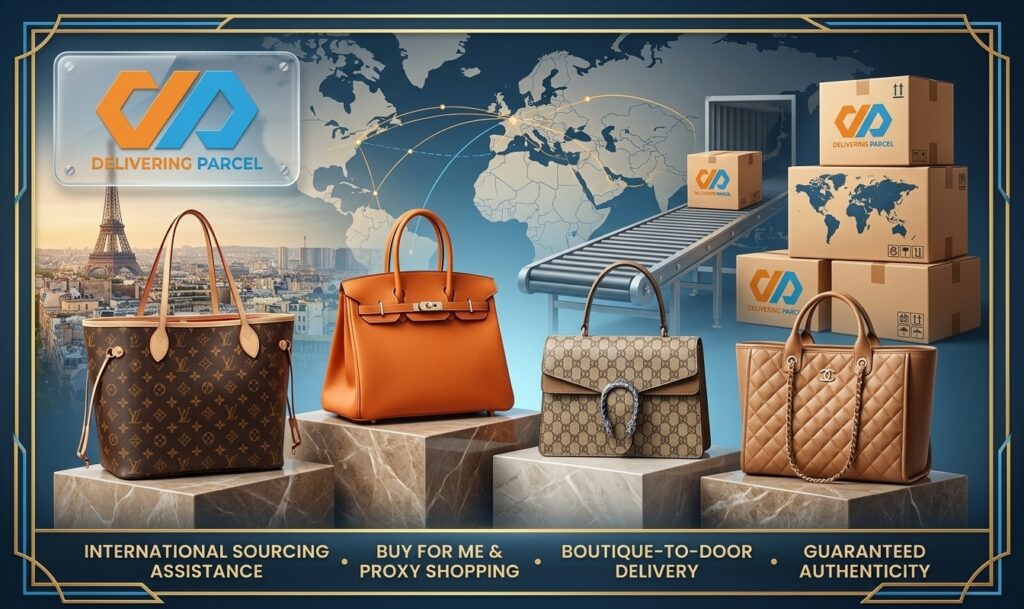
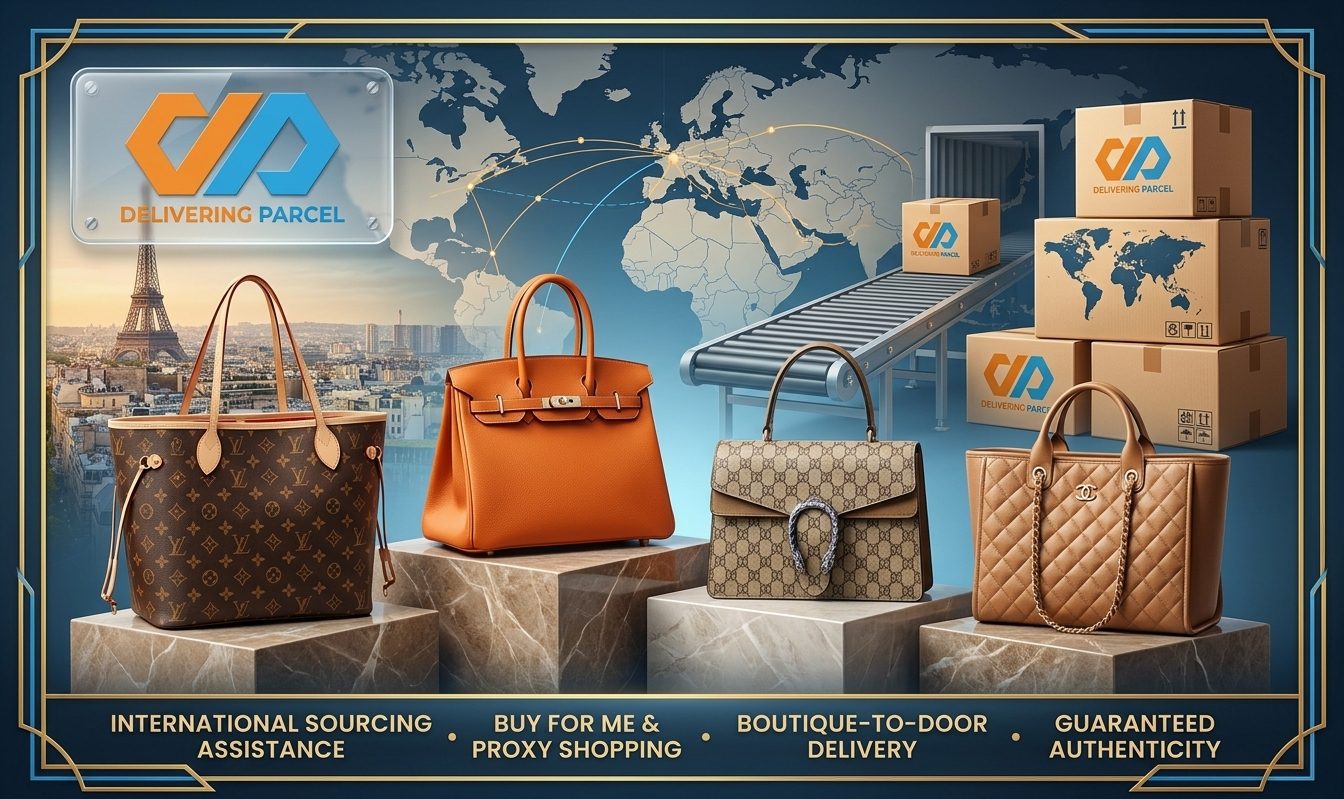
To bypass these systemic cross-border shopping obstacles, sophisticated global shoppers, personal stylists, and luxury collectors utilize professional proxy buying, localized purchasing assistance, and parcel forwarding networks. DeliveringParcel stands at the forefront of this industry, offering specialized solutions tailored specifically to the high-value luxury market.
DeliveringParcel operates as a comprehensive logistics and luxury shopping bridge, pairing international buyers with local residential and commercial shopping proxies in key luxury markets across Europe, the United States, the United Kingdom, Japan, and beyond.
1. “Buy For Me” & Purchase Assistance Service
When an online luxury store rejects foreign credit cards, requires local billing details, or refuses to accept international checkout information, DeliveringParcel’s “Buy For Me” program intervenes. Under this protocol, a local proxy agent in the target country executes the transaction using verified local payment methods, local currency, and local billing profiles, guaranteeing successful order processing.
2. In-Store Purchasing Assistance (In-Person Proxy Shopper)
For brands like Chanel and Hermès—or exclusive Goyard counters that operate without e-commerce—DeliveringParcel offers dedicated In-Store Purchasing Assistance. A verified local assistant physically visits official flagship boutiques in cities like Paris, London, Milan, or Tokyo. They interface directly with boutique SAs, verify item authenticity, inspect leather quality, complete the purchase on-site, and manage secure packaging.
3. “Shop For Me” & Localized Address Provision
For shoppers capable of navigating online checkouts but needing a localized domestic shipping destination, DeliveringParcel assigns verified residential or secure boutique forwarding addresses. This bypasses automated merchant blocks that restrict shipments to standard commercial warehouses.
4. Premium Freight, Insurance & Custom Clearances
Handling a $3,000 designer tote or a $15,000 investment handbag requires specialized care. DeliveringParcel coordinates international express courier shipping (DHL, FedEx, UPS), custom high-value insurance coverage, expert export documentation, and declared-value guidance to ensure seamless clearance through international customs checkpoints.
7. Step-by-Step Strategic Blueprint for International Luxury Sourcing
In conclusion, luxury shopping bags embody the intersection of fashion and function.
Ultimately, luxury shopping bags enhance the experience of shopping itself.
- Product Identification & Regional Price Auditing: Identify the exact product code, SKU, colorway, leather type, and hardware configuration. Compare localized retail prices across official regional websites to calculate potential savings.
- Engagement with DeliveringParcel: Submit a structured request detailing the targeted item, desired purchasing location, and required service level (Online Buy For Me vs. In-Store Purchasing Assistance).
- Order Execution & Authentication Verification: The proxy agent purchases the item directly from the authorized flagship store. High-resolution photos of the item, store receipt, authenticity cards, dust bags, and boxes are uploaded for buyer review prior to international dispatch.
- Consolidated Logistics & Secure Delivery: The item is packaged using protective materials, insured, and shipped via expedited global courier directly to the buyer’s doorstep.
8. Comparative Sourcing Matrix
| Sourcing Factor | Direct International Ordering | Traditional Freight Forwarders | DeliveringParcel Proxy Solution |
| Foreign Credit Card Acceptance | Frequently Rejected | N/A (User buys directly) | 100% Guaranteed (Local Payment) |
| In-Store Only Purchases (Chanel/Hermès/Goyard) | Impossible without traveling | Not Available | Supported via In-Store Proxy |
| Boutique Address Blocking | High Risk of Order Cancellation | Frequently Blacklisted Address | Bypassed via Local Addresses |
| High-Value Item Insurance | Standard / Minimal | Limited Coverage | Comprehensive Tailored Insurance |
| Personalized Quality Inspection | None | Automated / Standard | Detailed Photo & Video Proof |
9. Conclusion: The Future of Globalized Luxury Acquisition
The demand for high-end designer totes and shopping bags continues to rise worldwide. From timeless heritage icons like the Louis Vuitton Neverfull and Goyard Saint Louis to structural masterpieces like the Dior Book Tote and exclusive creations from Hermès, these items represent peak design, functional utility, and personal style.
While geographic restrictions, regional pricing disparities, and strict retail distribution networks have historically limited access for international buyers, solutions like DeliveringParcel democratize the luxury landscape. By bridging the gap between overseas buyers and foreign retail capitals through purchase assistance, shop-for-me services, and in-store proxy purchasing, global fashion lovers can secure any luxury bag from anywhere in the world—bringing the world’s most elite boutiques directly to their doorstep.